






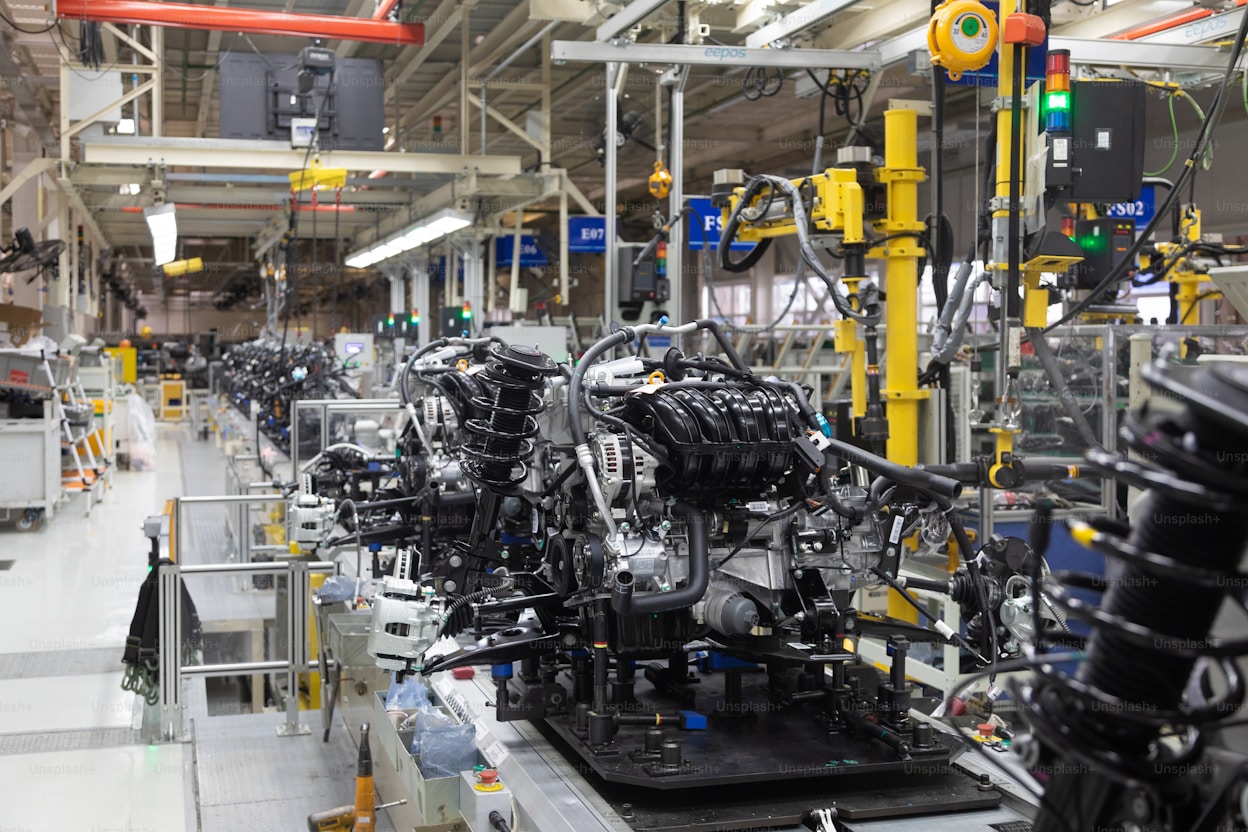
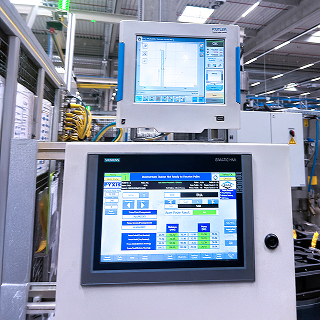
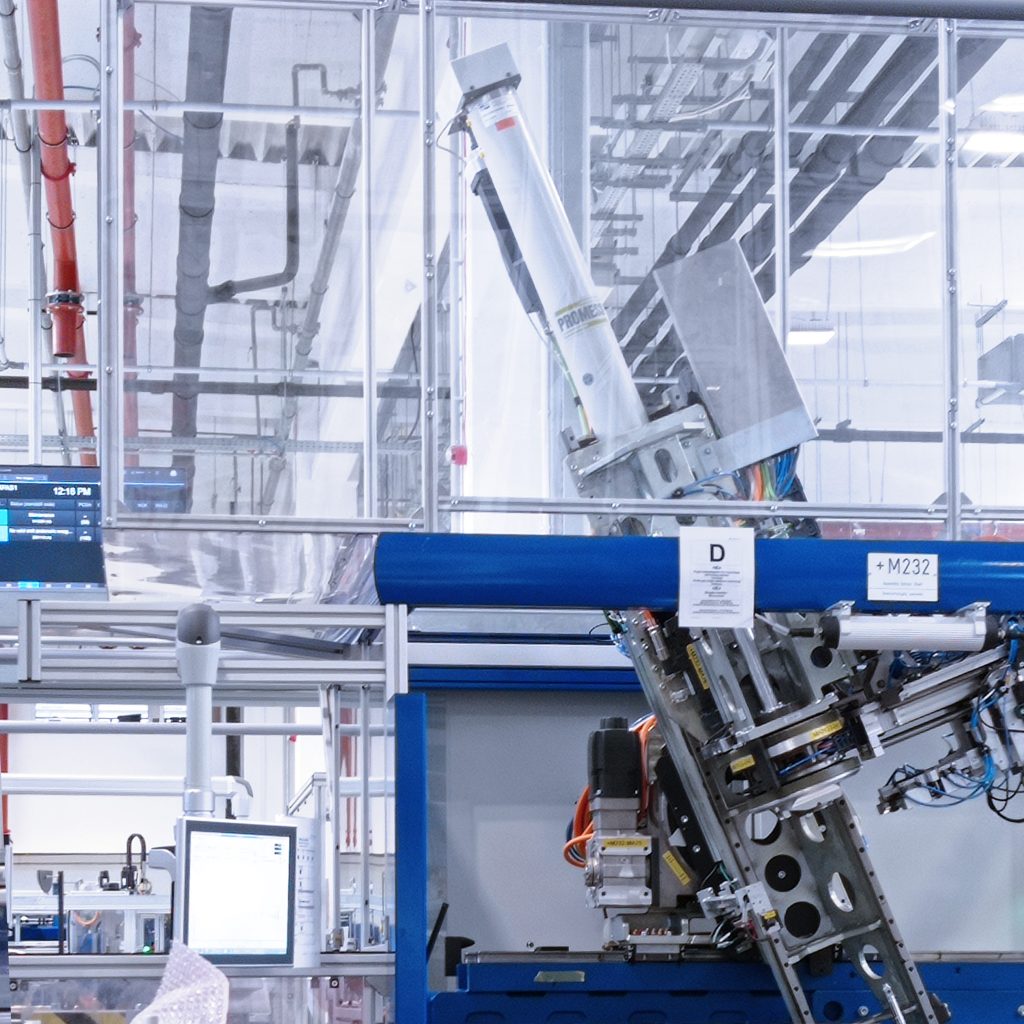
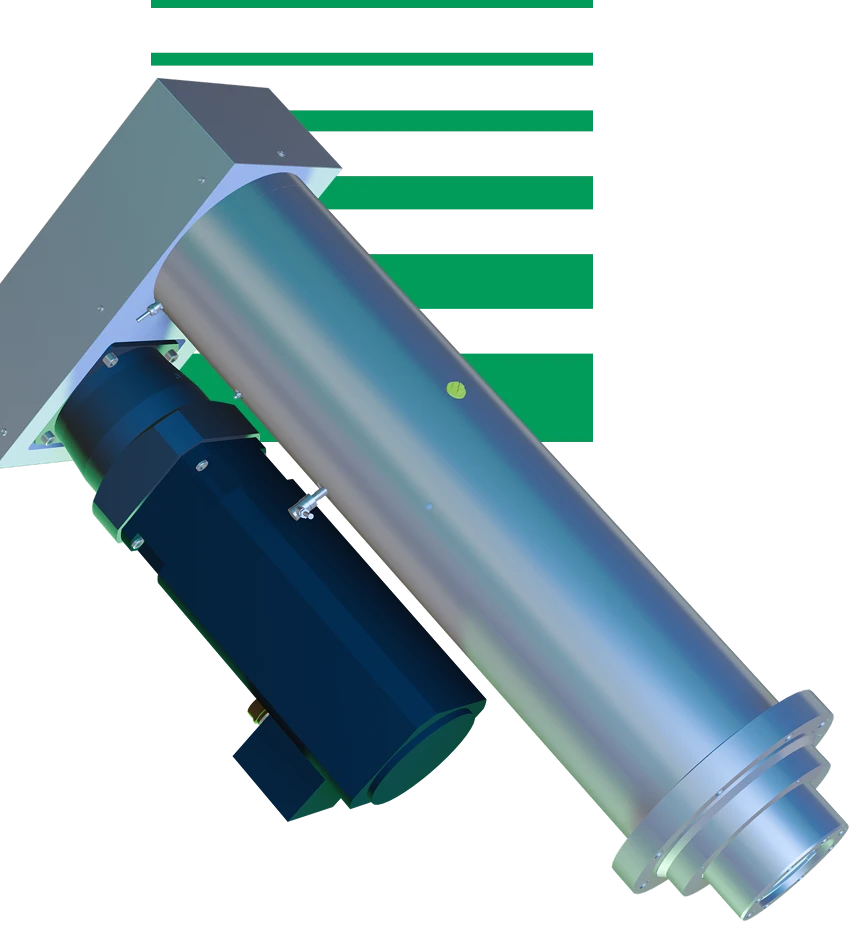





Servo presses are ideal for complex assembly processes that demand high precision. Compared to traditional pneumatic or hydraulic presses, servo-controlled presses offer precise control over force, speed, and displacement. Additionally, its energy consumption is lower combined with an increased productivity, and reduced error rates.
It’s no coincidence that servo press technology is widely adopted in high-tech industries such as automotive and electronics assembly, where precision and process fine-tuning are critical.
With increasing global demand for sustainability and energy efficiency, servo presses have become key players in modern assembly systems.
Note: For simple, high-force applications where extreme precision isn’t necessary, traditional presses—such as hydraulic presses—can be a more cost-effective solution.
Despite their advanced capabilities, servo presses require proper expertise to be used effectively. Here are some common pitfalls:
Failing to consider specific production needs can result in underperformance or excessive investment.
These precision machines must be programmed correctly to achieve the desired results.
Lack of routine checks can lead to malfunctions and costly downtime.
With expert consulting, you can avoid costly mistakes and fully leverage the benefits of servo press technology.
With expert consulting, you can avoid costly mistakes and fully leverage the benefits of servo press technology.
As the official local representatives of Promess and Kistler, we support precision manufacturing with cutting-edge technologies.
We’re Balázs Sarkadi-Nagy and Bálint Varga—engineers with a broad range of expertise, from training and design to quality control and machine servicing.
On a practical level, we’ve gained extensive experience in this field over the years, becoming the trusted local partners of several international manufacturers. When servo press issues arise, manufacturers send their clients our way.
From a professional standpoint, we see the transformative potential of this technology in assembly automation—but only if the right tool is chosen for the job. That’s why we support engineering teams and operators at servo press-equipped assembly plants from planning to maintenance.
Frequently Asked Questions About Servo Presses
We currently use a hydraulic press. Why should we switch to a servo press?
A servo press offers higher precision, flexibility, and energy efficiency compared to hydraulic presses. The servo control system allows for fine-tuned adjustments in force, speed, and displacement, making it ideal for complex or high-precision tasks. Additionally, servo presses are quieter, cleaner, and require less maintenance, as they contain fewer fluid-based components.
How does a servo press improve efficiency?
A servo press optimizes repeatability and energy consumption, making processes faster and more precise. Its ability to continuously monitor and adjust operations reduces the number of defective parts, leading to cost savings and increased productivity. Moreover, its quick reconfiguration and programmable settings provide greater flexibility, especially for changing production requirements.
Servo presses seem like an expensive technology.
I’m not sure if this is the right choice.
That’s completely understandable. Before implementing a servo press, it is essential to thoroughly assess your production needs and capabilities. Our consulting services help analyze your processes and goals to recommend tailored solutions. An initial consultation can determine whether servo press technology is the right investment for your production.
What factors should be considered when selecting a servo press?
Most modern servo presses support industry-standard communication protocols, including PROFINET, PROFIBUS, EtherCAT, and Modbus.
What maintenance tasks does a servo press require?
Do you have questions about our products, technical specifications, or collaboration opportunities? Our team is happy to assist you. Please contact us using one of the methods below — we’ll get back to you shortly!
© 2025 ENGINEERINSTRUMENTS Ltd. All rights reserved.
This website uses cookies to enhance your experience. Some are essential for site functionality, while others help us analyze and improve your usage experience. Please review your options and make your choice.
If you are under 16 years old, please ensure that you have received consent from your parent or guardian for any non-essential cookies.
Your privacy is important to us. You can adjust your cookie settings at any time. For more information about how we use data, please read our privacy policy. You may change your preferences at any time by clicking on the settings button below.
Note that if you choose to disable some types of cookies, it may impact your experience of the site and the services we are able to offer.
Some required resources have been blocked, which can affect third-party services and may cause the site to not function properly.